Bay History
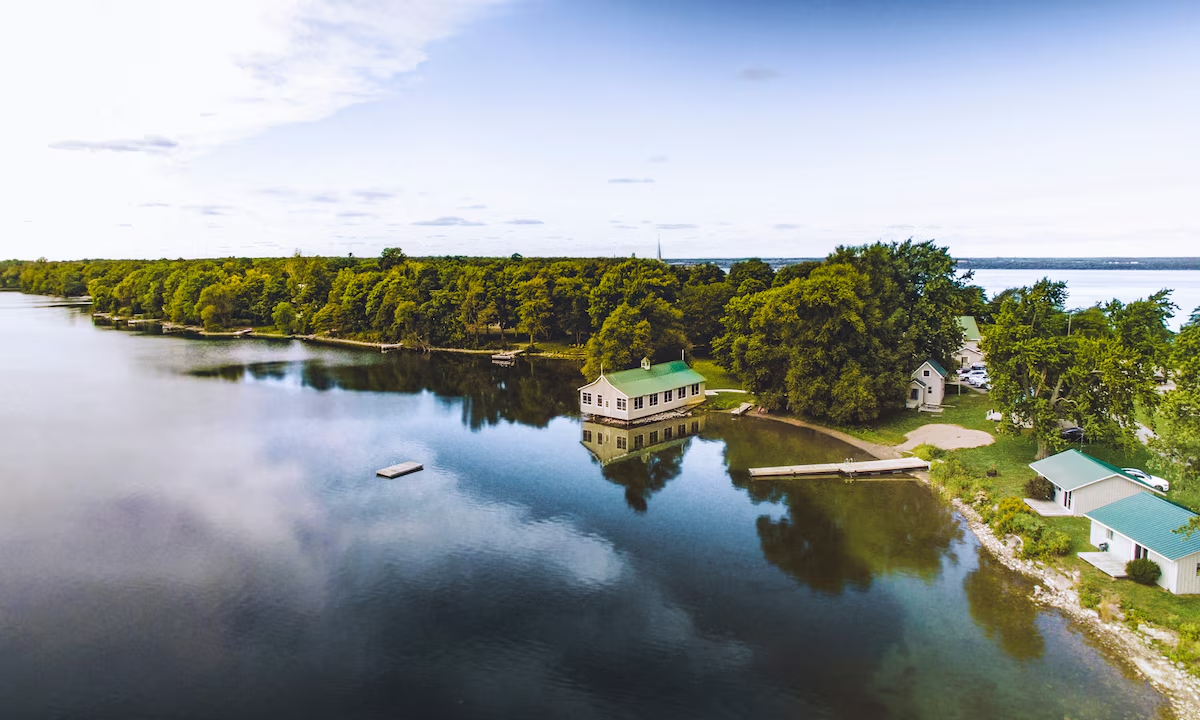
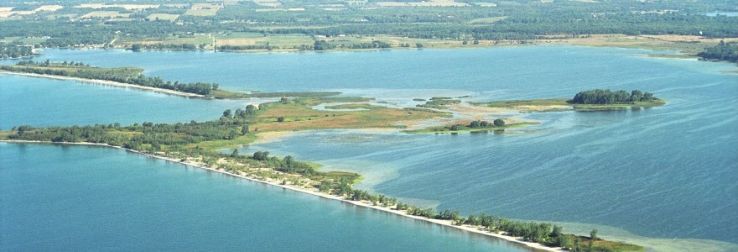
Wellers Bay has been a vital waterway for thousands of years. Its location, natural features, and rich waters made it a crossroads for trade, travel, and settlement long before European arrival.
Indigenous Settlement & the Kente Portage
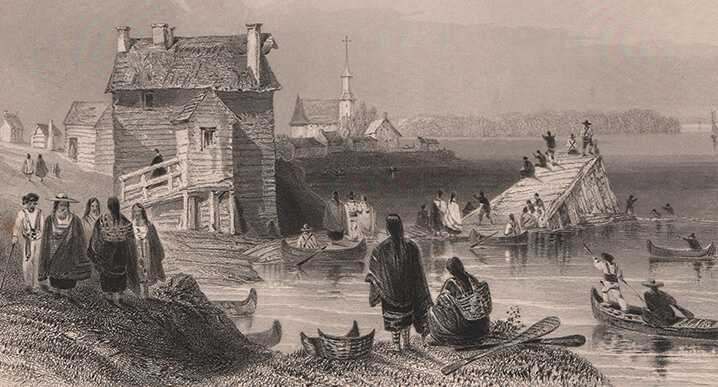
The bay was originally known as Lake Kente and held profound significance for Indigenous peoples. The Kente Portage Road, which still exists today, was a trade and travel route used by Indigenous nations for thousands of years. This ancient path connected the Bay of Quinte to Wellers Bay, allowing canoes to be carried overland between waterways. The portage facilitated trade, communication, and movement across the region.
Indigenous peoples understood this landscape intimately. They harvested fish, birds, and plants from the bay; traced the seasons by the movements of wildlife; and wove the bay's rhythms into their cultural and spiritual life.
Asa Weller & European Settlement
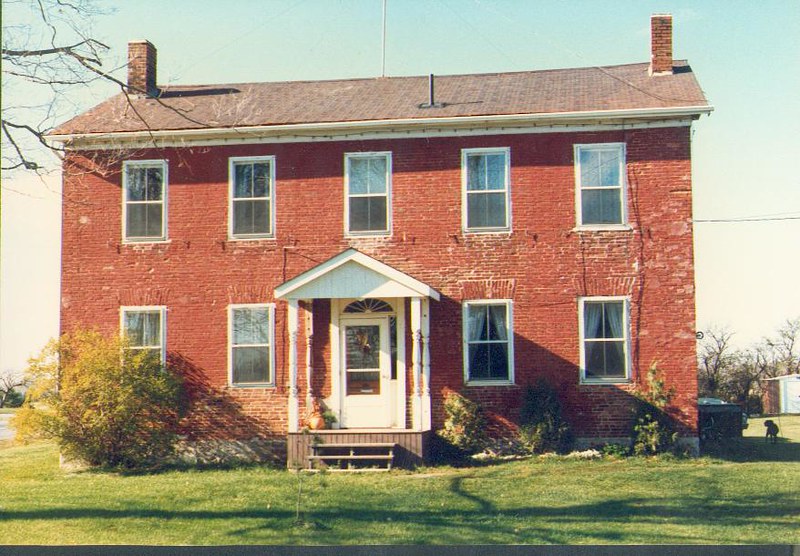
The bay's modern name comes from Asa Weller, a Loyalist settler who arrived after the American Revolution. Weller established himself in the region, and by the early 19th century, European settlement was well established around the bay.
The region became home to farmers, fishers, and merchants. Small communities like Picton grew into market towns. The bay continued as it had for centuries: a place of livelihood, travel, and connection to the land and water.
Shipping & Canal Routes
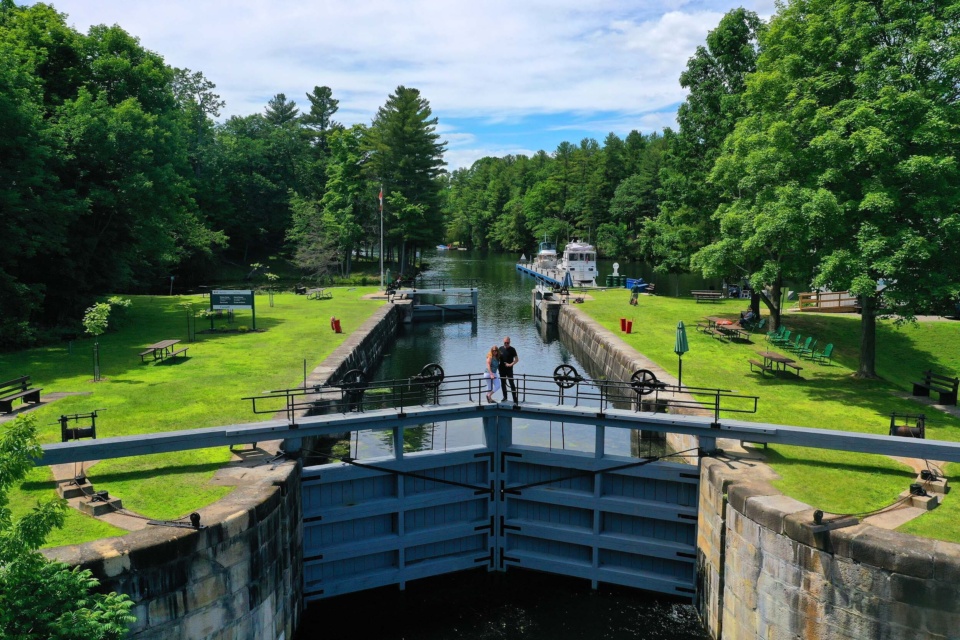
In the 19th century, Wellers Bay figured in plans for canal systems and shipping routes. The bay's geography, while distinctive, made it less suitable for large-scale commercial shipping than other locations, and most grand plans for canal development never came to fruition.
Instead, the bay remained primarily a place for local commerce, fishing, and recreational use.
Modern Era & Conservation
The 20th century brought new pressures: increased recreational use, commercial operations, development pressure, and environmental concerns. By the late 1980s, when Friends of Wellers Bay was founded, the organisation recognised that this special place needed voices advocating for its protection.
Today, Wellers Bay stands as a rare example of a relatively intact ecosystem on Lake Ontario, a testament to the care of residents, the work of conservation organisations, and the enduring value that people place on this waterway.
Ready to make a difference?
Whether you want to volunteer, join as a member, make a donation, or simply stay informed, there's a way for you to be part of this community.